
CIRCUIT BREAKER INSTALLATION
Circuit Breaker Installation & Replacement in Tampa Bay
★★★★★ 5.0 rating · Trusted by 36+ Tampa Bay homeowners · Licensed & Insured (EC13016151)
Tripping breakers, adding a new circuit, or still on an old fuse box? Shockwave Electric installs, replaces, and upgrades circuit breakers safely and to code — protecting your home across Tampa Bay & Southwest Florida.
- New circuits & breaker replacement
- GFCI & AFCI protection
- Same-day service available
- Licensed, insured & to code
Get a Free Breaker Quote
Tell us what’s tripping and we’ll get right back to you.
What Is Circuit Breaker Installation?
A circuit breaker is the safety switch in your electrical panel that cuts power to a circuit the instant it detects an overload, short circuit, or ground fault — protecting your wiring from overheating and fire. Circuit breaker installation covers adding a breaker for a new circuit, replacing a worn or faulty one, or upgrading to specialized breakers for modern safety.
There are several types, and the right one depends on the circuit: single-pole breakers (120V, usually 15–20 amp) for lights and outlets; double-pole breakers (240V, 30–50 amp) for large appliances like ranges, dryers, and AC; tandem breakers to add capacity in a full panel; and GFCI, AFCI, and dual-function (CAFCI) breakers required for shock and arc-fault protection in kitchens, baths, bedrooms, and outdoors.
We match the correct type and amperage to your panel’s bus bars and load, install trusted brands like Square D, Eaton, Siemens, and GE, torque every connection to manufacturer spec, and test the circuit — all to current Florida electrical code (NEC / NFPA 70). We also safely replace recalled panels (Federal Pacific, Zinsco) that can’t hold breakers reliably.
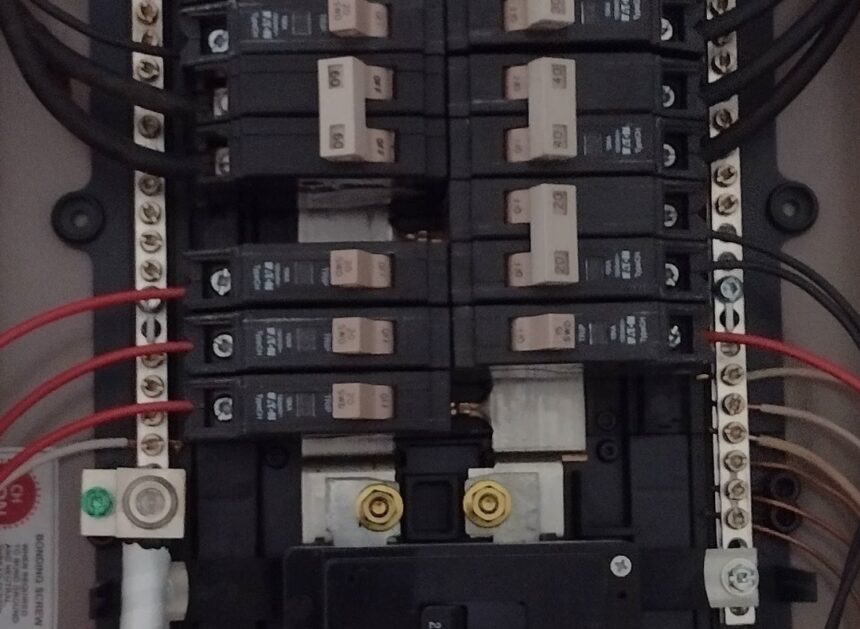
What a Breaker Install Includes
- Correct breaker type & amperage for the circuit
- Single, double-pole, GFCI, AFCI & dual-function
- New circuit or faulty-breaker replacement
- Panel & bus-bar compatibility check
- Trusted brands (Square D, Eaton, Siemens, GE)
- Connections torqued & tested to spec
- Code-compliant (NEC) work
WARNING SIGNS
Signs You Need Breaker Work
Breakers Keep Tripping
Frequent trips mean an overloaded circuit or a failing breaker that needs attention.
Breaker Won't Reset
A breaker that won't stay reset is often faulty and should be replaced.
You Still Have a Fuse Box
Old fuse boxes are outdated and unsafe — a modern breaker panel is far safer.
Adding a New Circuit
New appliances, a room addition, or an EV charger need their own dedicated breaker.
Burning Smell at the Panel
Scorching, heat, or a burning smell at a breaker is a serious safety hazard.
No GFCI/AFCI Protection
Kitchens, baths, and bedrooms need GFCI/AFCI breakers for modern safety.
WHY IT MATTERS
Why the Right Breaker Matters
Fire Protection
Correctly sized breakers stop overloaded circuits from overheating.
Shock Protection (GFCI)
GFCI breakers cut power fast to prevent shocks in wet areas.
Arc-Fault Safety (AFCI)
AFCI breakers detect dangerous arcing that standard breakers miss.
Reliable Power
No more nuisance trips — your circuits handle the load properly.
Room to Add Circuits
Proper breaker work supports new appliances and home additions.
Code Compliance
Meets current NEC requirements for a safe, insurable home.
OUR BREAKER SERVICES
Circuit Breaker Services We Provide
New Breaker Installation
Add a new breaker and circuit for appliances, additions, or an EV charger.
Breaker Replacement
Replace worn, faulty, or recalled breakers with safe modern ones.
GFCI Breaker Installation
Ground-fault protection for kitchens, baths, and outdoor circuits.
AFCI Breaker Installation
Arc-fault breakers for bedroom and living-area fire safety.
Fuse Box to Breaker Panel
Upgrade an outdated fuse box to a modern, safe breaker panel.
Breaker Troubleshooting
Diagnose tripping, buzzing, or hot breakers and fix the root cause.
CIRCUIT BREAKER COST
How Much Does Circuit Breaker Installation Cost?
Most circuit breaker installations and replacements in the Tampa Bay area run roughly $150 to $350 per breaker, depending on the breaker type — standard, GFCI, or AFCI — and whether a new circuit needs to be run. Adding a dedicated circuit or upgrading a fuse box costs more.
We confirm the right breaker for your panel and give you a clear, upfront price before we start.

What Affects Breaker Cost
- Breaker type (standard, GFCI, AFCI)
- New circuit vs replacement
- Wiring run and access
- Panel compatibility
- Number of breakers
PREFER TO TALK?
Call Us Directly — We're Ready to Help
For fast answers or a same-day emergency, calling is always quickest. Our team serves all of Tampa Bay & Southwest Florida.
— HOW IT WORKS
From Diagnosis to Done — in 4 Simple Steps
Getting breaker work done is quick and safe with Shockwave Electric. Here’s how it works.
Book Your Visit
Call or fill out the form and we’ll schedule a licensed electrician fast.
Diagnose & Confirm
We check your panel and load, then confirm the right breaker for the job.
Safe Installation
We install or replace the breaker safely and to Florida code — with a clear price first.
Tested & Safe
We test the circuit, confirm protection is working, and make sure everything’s running right.
Ready to get started?
Book your free estimate today — same-day scheduling across Tampa Bay & Southwest Florida, with honest, upfront pricing and no pressure.
OUR RECENT WORK
Recent Breaker & Panel Work
Real breaker installs across Tampa Bay. Add photos of recent breaker or panel jobs below.
Panel Upgrade Photo
📷 Client photo — add a real before/after shot of a completed panel upgrade here.
Recent Install Photo
📷 Client photo — add a photo of a recently finished panel or service upgrade.
On-the-Job Photo
📷 Client photo — add a photo of your team on a Tampa Bay job site.
Team / Van Photo
📷 Client photo — add a photo of your team or your branded Shockwave van/truck here.
MEET THE TEAM
Your Local, Licensed Tampa Bay Electrical Team
Shockwave Electric is a locally owned team of licensed, insured electricians serving homeowners and businesses across Tampa Bay & Southwest Florida. When you call, you get real people who know the local codes, utilities, and neighborhoods — and treat your home like their own.
Licensed Electrical Contractor #EC13016151 · Certified Specialty Contractor #ES12001958
WHY SHOCKWAVE ELECTRIC
Why Tampa Bay Trusts Our Breaker Work
Licensed & Insured
A fully licensed Florida electrical contractor (EC13016151, ES12001958).
Correct Breaker, Every Time
We match the exact type and amperage to your panel and load.
Safety-First Work
GFCI/AFCI protection and code-compliant installs, always.
Upfront Pricing
A clear price before we start — no surprises.
Fast, Same-Day Service
Most breaker jobs are handled the same day across Tampa Bay.
All Major Panels
We work with all major panel brands and breaker types.
CUSTOMER REVIEWS
Rated 5.0 by Tampa Bay Homeowners
Homeowners and businesses across Tampa Bay, Port Charlotte, and Southwest Florida trust Shockwave Electric for honest, professional electrical work — from panel upgrades and light-switch wiring to full rewires and 24/7 emergency repairs. Here’s what our customers have to say about working with our licensed, insured team.
★★★★★ 5.0 · 36 Google reviews


Frequently Asked Questions
Straight answers about circuit breaker installation, GFCI/AFCI protection, cost, and safety across Tampa Bay & Southwest Florida.
How much does it cost to install or replace a circuit breaker?
Most breaker installs and replacements run roughly $150–$350 per breaker, depending on type (standard, GFCI, or AFCI) and whether a new circuit is needed. You’ll always get a clear price up front.
Why does my breaker keep tripping?
Usually an overloaded circuit, a short, or a failing breaker. We diagnose the real cause — sometimes the breaker, sometimes the circuit or a device — and fix it properly.
What's the difference between GFCI and AFCI breakers?
GFCI breakers protect against shock in wet areas (kitchens, baths, outdoors). AFCI breakers detect dangerous arcing to prevent fires and are required in most living areas. We install both.
Can you replace one breaker, or do I need a new panel?
Often a single breaker is all you need. If your panel is outdated, full, or unsafe, we’ll tell you honestly and quote a panel upgrade as a separate option.
Do I need a permit for breaker work?
Simple like-for-like replacements often don’t, but new circuits and panel changes do. We handle any required permits and complete all work to Florida code.
Are you licensed and insured?
Yes — Shockwave Electric is a fully licensed and insured Florida electrical contractor (Lic. EC13016151, ES12001958).
What size (amp) breaker do I need?
It depends on what the circuit powers. Standard lighting and outlet circuits use 15- or 20-amp single-pole breakers; large 240V appliances (electric range, dryer, AC, EV charger) use 30-, 40-, or 50-amp double-pole breakers. We calculate the load and match the correct amperage — an undersized breaker trips constantly, and an oversized one is a fire risk.
What's the difference between single-pole and double-pole breakers?
A single-pole breaker supplies one 120V circuit (lights, outlets) and takes one panel slot. A double-pole breaker supplies 240V (ranges, dryers, AC, EV chargers), spans two slots, and handles higher amperage. We install the right one for each circuit.
How long do circuit breakers last?
A quality breaker can last 10–30 years, but one that trips constantly, won’t reset, buzzes, or feels hot should be replaced sooner regardless of age. Florida heat and humidity can also shorten a breaker’s lifespan.
Can I replace a circuit breaker myself?
We don’t recommend it. Even a single breaker sits inside a live panel where the main lugs stay energized — a serious shock and arc-flash risk — and the wrong type or torque can cause overheating or fire. A licensed electrician does it safely and keeps your work code-compliant and insurable.
Which breaker brands do you install?
We install trusted, widely-supported brands including Square D, Eaton, Siemens, and GE. The breaker must be listed for your specific panel — mixing incompatible brands is unsafe and against code — so we match the exact breaker your panel is rated for.
Does a breaker that trips once need replacing?
Not necessarily. A one-time trip is often just an overload — unplug something and reset it. But a breaker that trips repeatedly, won’t reset, or feels warm usually has a real fault (short circuit, ground fault, or a failing breaker) and should be diagnosed. Don’t keep forcing a tripped breaker — that’s a fire risk.